Free hacker computer programming vector

Why Human Habits Are Your Biggest Security Risk

Most cyberattacks do not start with a sophisticated intrusion. They start with a click on a personal email, a reused password, or a file uploaded to a familiar cloud service because the approved option felt slower. The Verizon Data Breach Investigations Report found that 68% of breaches involve the human element.  Not a zero-day exploit. Not a brute-force attack on …

Free laptop computer keyboard vector

What is Passkey Migration and How Can It Help Your Team Eliminate Passwords?

Your team locks everything down with passwords. Some are strong, some are not, and most have been reused somewhere over the years. Every month, IT fields reset requests. Every year, the same breach reports list stolen credentials as the leading cause. There is now a more effective path, and it does not require users to memorize anything.  Passkey migration is …

Person using laptop photo

Stop the Bleeding: How Revoking Admin Rights Eliminates Support Tickets

The most time-consuming ticket in your queue is rarely a hardware failure. It’s the PC infection that started when a user installed something they shouldn’t have been able to. Or it’s the broken configuration left behind after someone changed a setting IT can’t trace. Local administrator rights (the ability to install software, modify system settings, and override security controls) are …

Free hacker anonymous cybersecurity vector

Adversary-in-the-Middle Attacks: How Phishing Sites Steal Your Active Login

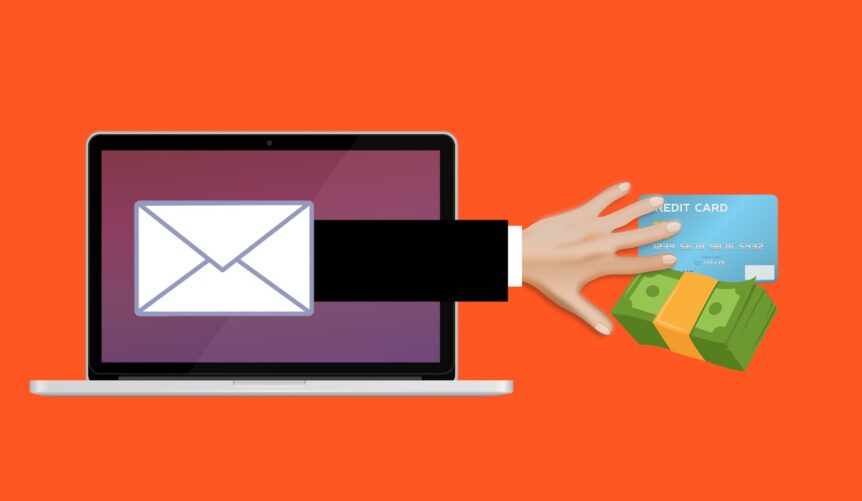
You click a link, sign in, approve the MFA prompt, and get on with your day. Completely unaware that someone else just logged into your account at the same moment. That scenario surprises many businesses, particularly those that rely on multi-factor authentication (MFA) to protect cloud accounts. But this is exactly how Adversary-in-the-Middle (AiTM) phishing attacks work.  Rather than stealing …

Free attack unsecured laptop vector

The “Session Cookie” Hijack: Why MFA Can’t Always Save You

MFA is a strong front-door lock. But it’s not the only thing that decides whether someone can get in. After you sign in, your browser keeps you logged in using a session token (often stored as a cookie). It’s the digital version of a wristband at an event: once you’ve been checked, the wristband proves you belong there. If an …

The “Legacy Debt” Audit: Identifying the 3 Oldest Risks in Your Server Room

The most dangerous thing in a server room is often the phrase, “Don’t touch that.” It’s usually said with a half-joke and a grimace. It refers to the old box that “still works”, runs something important, and has survived so many fixes and workarounds that nobody feels confident changing it anymore. That’s legacy debt.  Not just “old tech”, but old …

A man sitting at a table with a laptop and cell phone

The “Backup Exit” Strategy: Can You Move Your Data Without the Vendor’s Help?

When you first sign up for a software-as-a-service (SaaS) platform, everything is designed to feel effortless.  The problem is that the first real test of a SaaS relationship isn’t the onboarding. It’s the exit.  For many small businesses, the front door is wide open, but the emergency exit is bolted shut: exports are incomplete, key data sits in proprietary formats, …

Free ai generated cybersecurity digital shield illustration

Micro-SaaS Vetting: The 5-Minute Security Check for Browser Add-ons

Browser add-ons have a funny reputation. They feel “small”. A quick install. A tiny productivity boost. A harmless little helper that lives in your toolbar. But in practice, a browser extension is more like a micro-SaaS vendor sitting inside your browser session. It can see what you see, interact with the pages you open, and sometimes access the same cloud …